Embroidered vs PVC Patches: Which Should You Choose?
A direct comparison of embroidered and PVC patches — detail, durability, cost, feel and washability — with a clear rule for deciding which suits your design.
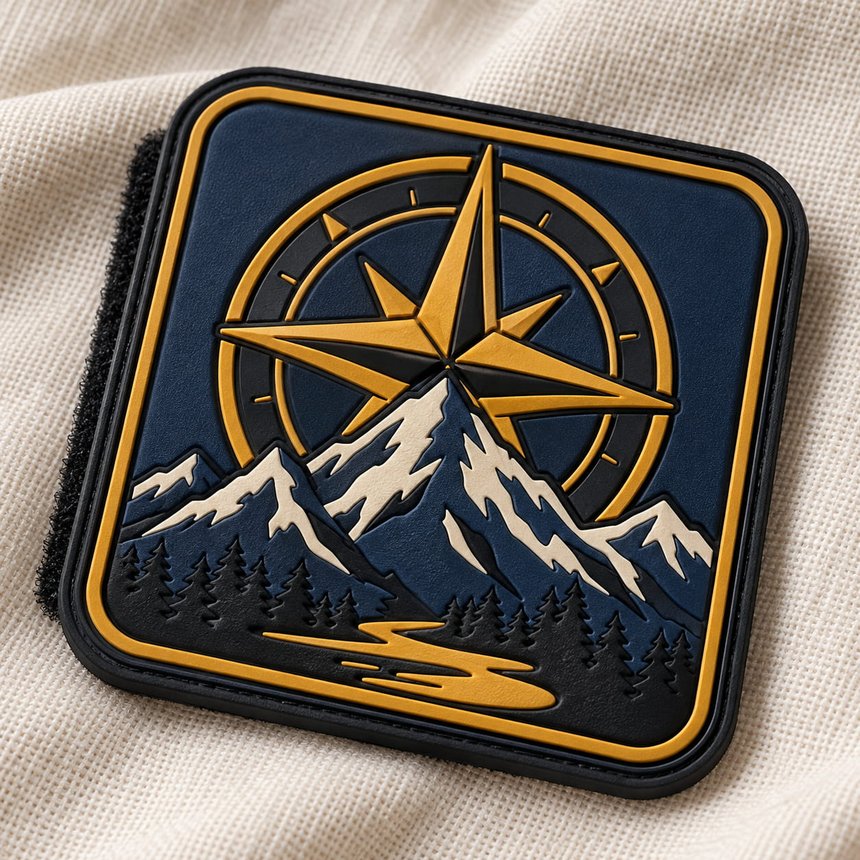
These two cover most custom patch orders, and they are genuinely different products — not two finishes of the same thing. One is stitched, one is moulded. That single difference drives everything else.
Here is how to pick.
The one-line rule
If your design has fine detail, thin lines, gradients or small text, choose PVC. If you want the traditional stitched look and feel on clothing, choose embroidered.
That decides maybe 80% of cases. The rest of this article is for the other 20%.
How each one is actually made
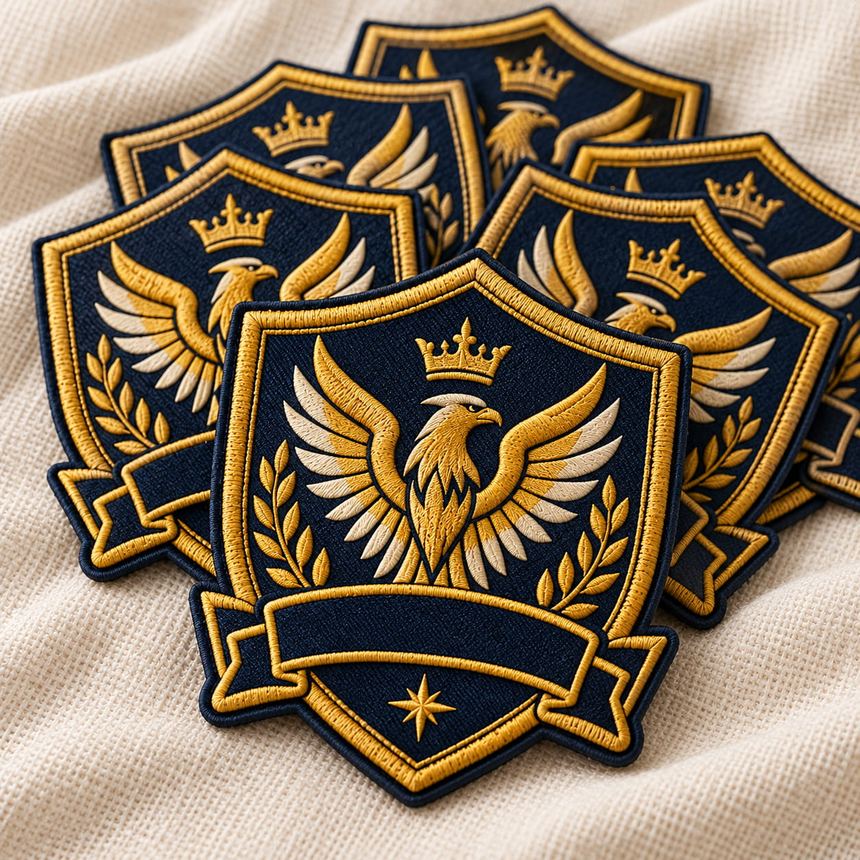
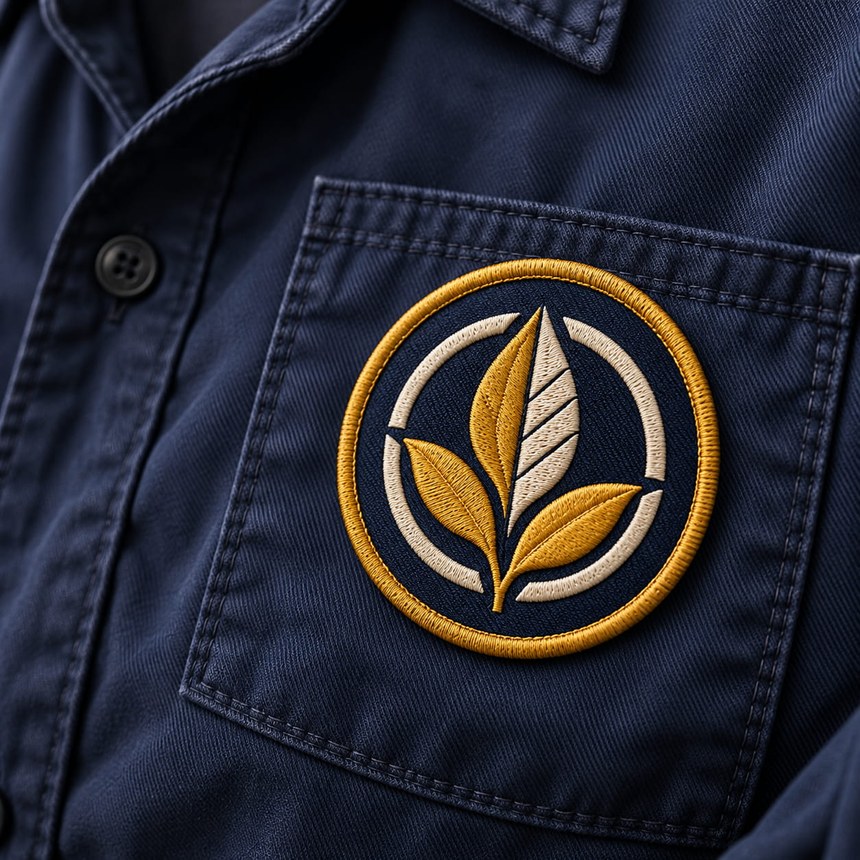
Embroidered patches are stitched. A machine lays coloured thread into a twill backing, building the design up stitch by stitch. The edge is finished with a merrowed border (the classic raised rope edge) or laser-cut to follow a custom outline.
PVC patches are moulded. Liquid PVC is poured into a custom mould one colour at a time, layer by layer, then cured into a single flexible piece of soft rubber. Nothing is woven, which is why the rules about detail are completely different.
Side by side
| Embroidered | PVC | |
|---|---|---|
| Fine detail | Limited by thread width | Excellent — holds very thin lines |
| Small text | ~1/4 inch minimum | Much smaller is readable |
| Gradients | Approximated by blending threads | Reproduced cleanly |
| Colour matching | Nearest thread in ~200 shades | Pantone matched, unlimited colours |
| Texture | Raised, fabric, tactile | Smooth, rubbery, soft |
| Waterproof | Water-resistant, absorbs some | Completely waterproof |
| Fraying | Possible at a damaged edge | Cannot fray |
| Iron-on available | Yes | No — heat damages PVC |
| Feel on clothing | Blends in, fabric on fabric | Sits distinctly on top |
| Best sizes | 1” – 12” | 1” – 8” |
| Cost at volume | Lower | Higher, plus mould tooling |
Where embroidered wins
Clothing that gets washed. Embroidery is fabric on fabric. It moves with the garment, survives the machine, and looks right on a jacket, shirt or cap in a way rubber does not.
The traditional look. Some things should look stitched. Uniform crests, club badges, varsity kit, workwear. Thread carries a weight of association that moulded rubber simply does not.
Cost at scale. No tooling. If you are ordering hundreds of a simple design, embroidery is usually the cheaper route.
Larger pieces. Big back patches work well embroidered. A 10-inch PVC patch is heavy and stiff.
Texture people can feel. The raised thread is part of the appeal. Buyers notice it.
Where PVC wins
Detail thread cannot hold. This is the big one. A logo with hairline strokes, fine typography or intricate linework will be compromised in embroidery — the thread simply cannot go that thin. PVC reproduces it exactly.
Small text. If your design includes a strapline or small lettering, PVC keeps it readable where embroidery would fill the letters in.
Outdoor and wet conditions. Rain, mud, sweat, salt water — none of it affects PVC. Wipe it clean and carry on. This is why outdoor brands and tactical units default to it.
Gear rather than clothing. Backpacks, vests, plate carriers, equipment cases. PVC with a velcro back is the standard, and for good reason.
Exact brand colours. If your brand guidelines are strict, PVC can be Pantone matched almost perfectly. Embroidery matches to the nearest available thread, which is usually very close but not exact.
3D depth. PVC can be moulded with genuinely raised and recessed levels. Embroidery has texture but is essentially flat.
The cost question, honestly
At low quantities, embroidery is usually cheaper because PVC needs a custom mould made for your design. That tooling cost is real, and on an order of 25 it dominates.
At high quantities, the gap narrows considerably. The mould is a one-off; spread across 500 pieces it is almost nothing.
Two things worth knowing:
- Many suppliers absorb the mould cost above a threshold. We cover it at 100 pieces and above, and state it clearly on your quote when it applies below that.
- Some suppliers quote a low per-unit PVC price and add the mould as a separate line later. Ask for the all-in total.
How to choose: three questions
1. Will it be on clothing that gets washed regularly? Yes → lean embroidered. No → either works.
2. Does the design have thin lines, small text or gradients? Yes → PVC, or the design needs simplifying for embroidery.
3. Will it face weather, water or mud? Yes → PVC.
If you get a split answer, send us the artwork. Some designs genuinely work either way, and the right call then comes down to the look you want rather than a technical constraint.
The option people forget: use both
You are not choosing one for your whole brand. Plenty of customers order:
- Embroidered crests for staff uniforms and jackets
- PVC badges for kit bags, equipment and outdoor gear
Same logo, same colours, different materials for different jobs. We can produce both in one order, and keep both files on record so reorders match.
What about the other two?
This article compares the two most common choices, but there are four techniques in total:
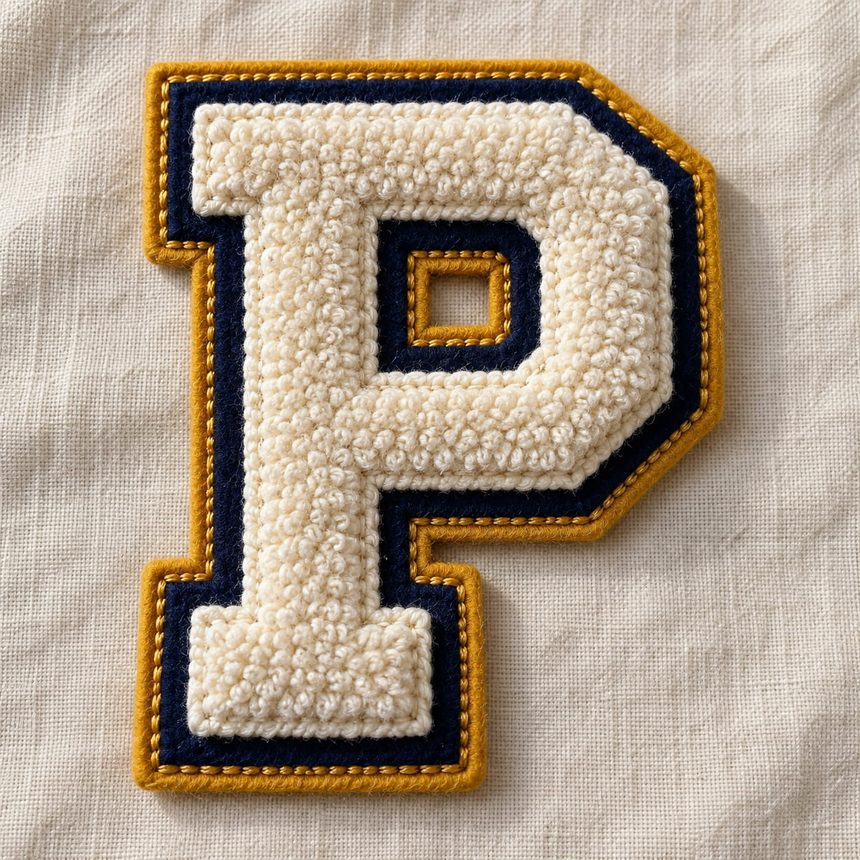
- Chenille — thick looped yarn, the varsity letterman look. Large, bold shapes only.
- Sequin — high shine for stage, dance and performance wear.
Neither competes directly with embroidered or PVC. They do a specific job, and when that is the job you need, nothing else substitutes.
Not sure which suits your design? Send it to us and we will tell you honestly — including when the cheaper option is the better one. Free quote, free digital proof, no obligation.
Read more about embroidered patches or PVC patches.